
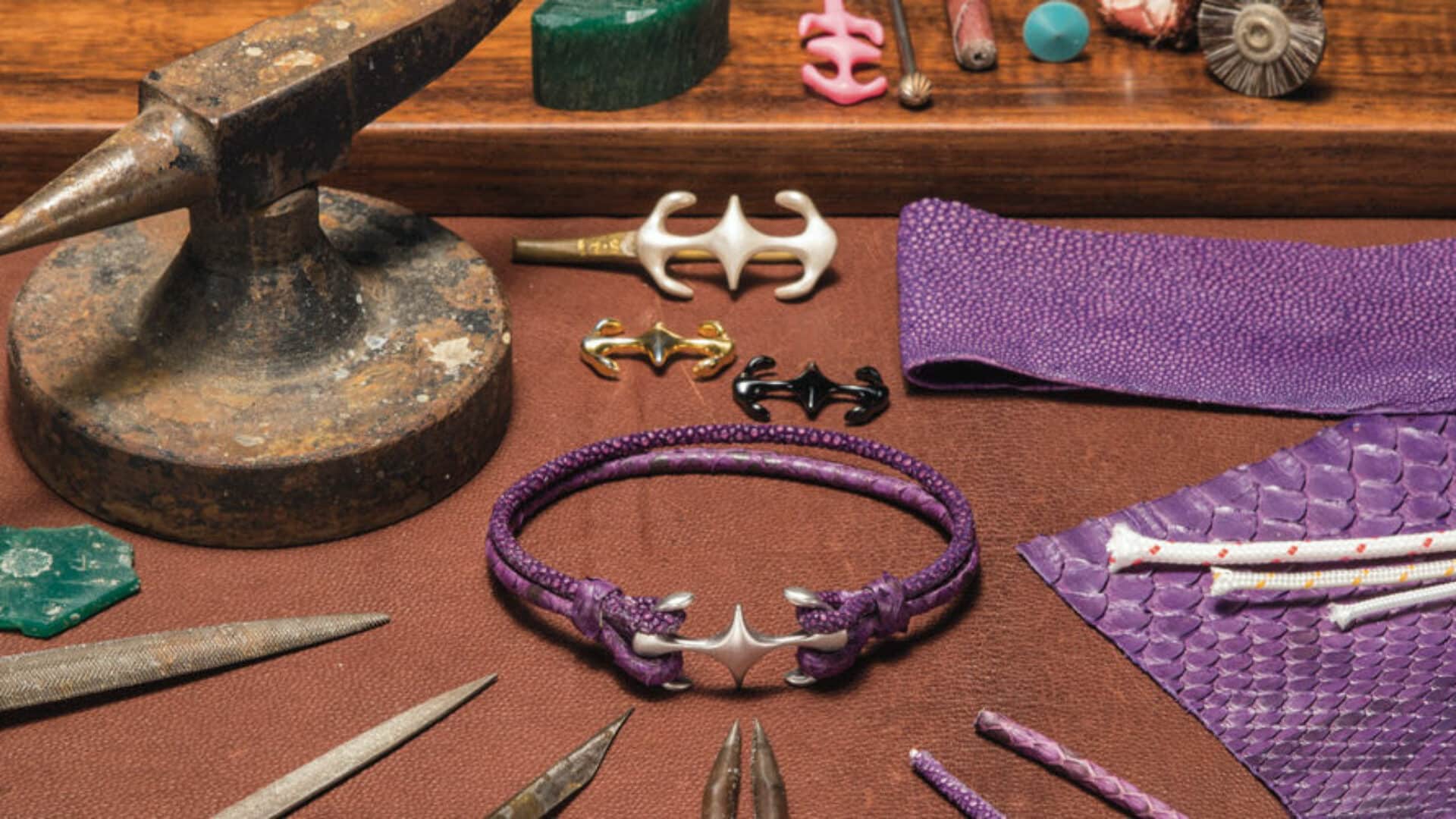
Galuchat Heritage: From Royal Courts to Art Deco
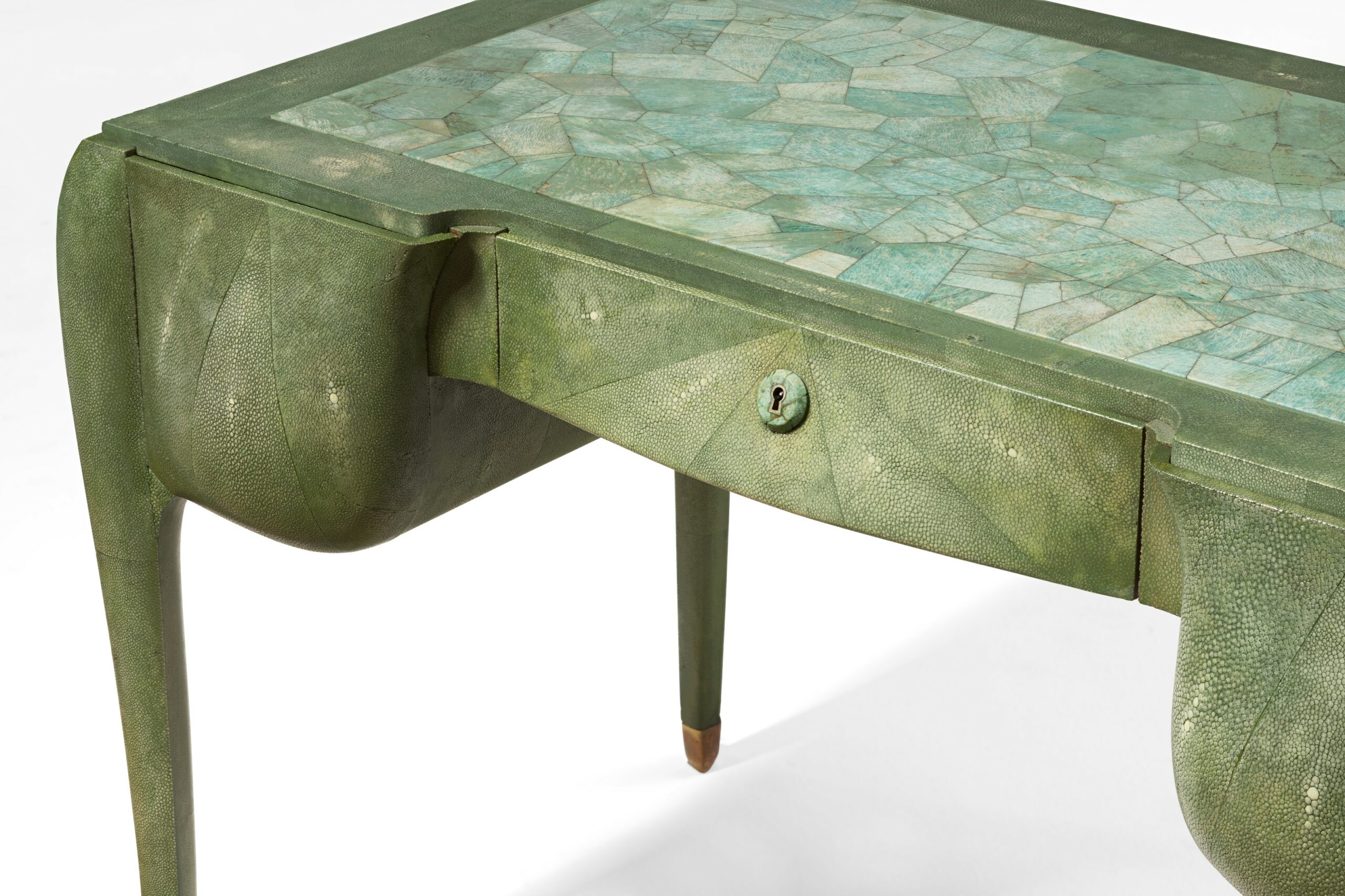
Working with stingray skin dates back as far as the 8th century in countries such as Japan, China, and Egypt, where it was appreciated for its strength and distinctive texture.
However, the story of galuchat truly begins in the 18th century with Jean-Claude Galluchat, a master leather craftman working on the Quai de l’Horloge in Paris. Galluchat was the first to successfully tan and dye stingray leather, elevating it from a purely functional material to an object of refined luxury.
Among his most illustrious clients was Madame de Pompadour, the influential mistress of King Louis XV, who commissioned numerous pieces covered in this exotic leather. The craftsman’s work was so exceptional that his name became synonymous with the material itself: galuchat.
After falling into relative obscurity during the 19th century, galuchat experienced a renaissance in 1920, when the leading Art Deco designers rediscovered its potential.
The 1925 Paris Exhibition: A Defining Moment
The Exposition Internationale des Arts Décoratifs et Industriels Modernes, held in Paris in 1925, marked a pivotal moment for both Art Deco and galuchat. Its stated ambition was clear: to affirm modern design while upholding the highest standards of craftsmanship. Across the exhibition, rare and refined materials, from ebony and ivory to mother-of-pearl and sharkskin, were presented as integral elements of this new decorative language.
At the Ambassade Française pavilion, visitors moved through twenty-five rooms conceived and furnished by leading French artisans. Among them, André Groult’s women’s bedroom stood out for its use of natural galuchat, applied to furniture with softly curved, organic lines. His Chiffonnier anthropomorphe, a tall chest of drawers clad in radiating panels of shagreen and accented with ivory, became one of the emblematic works of the exhibition. With its tactile surface and sculptural form, the piece captured the refined boldness that came to define Art Deco.
The Master Artisans of Galuchat
Several designers played a decisive role in elevating galuchat from a rare material to a defining element of Art Deco.
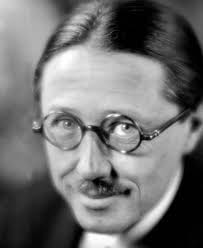
Émile-Jacques Ruhlmann stood at the pinnacle of Art Deco furniture design. Combining precious woods with galuchat coverings and ivory inlays, he pursued an uncompromising vision of luxury rooted in exceptional materials and meticulous execution. His pieces, which could require many months of work, were defined by refined proportions, fluted surfaces, and classical motifs reinterpreted through a modern lens. At the 1925 Exhibition, his Hôtel du Collectionneur pavilion secured his international reputation.
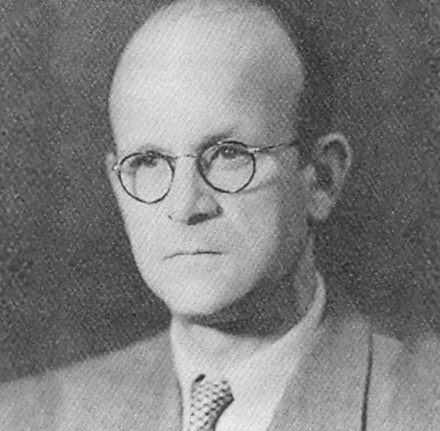
André Groult brought a more sensual and intimate dimension to Art Deco. His furniture favored rounded silhouettes and couture-like finishes, with galuchat and shagreen often dyed in soft, natural tones that emphasized their organic texture. His work balanced historical references with modern restraint, creating pieces that felt both decorative and deeply tactile.
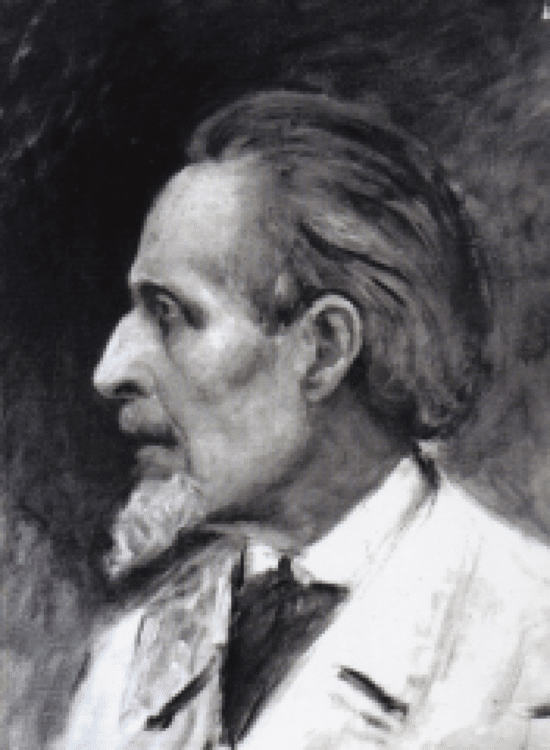
Clément Rousseau distinguished himself through smaller luxury objects. Working extensively with galuchat, ivory, and exotic woods, he created boxes, lamps, and furnishings admired for their precision and refinement. His table lamps wrapped in dyed galuchat and subtly accented with ivory, became particularly sought after.
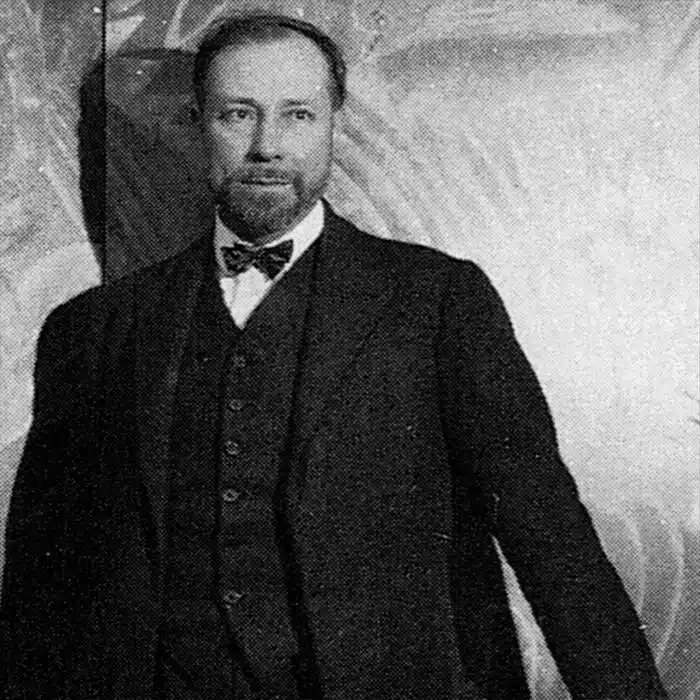
Jean Dunand, best known for his lacquer work, also contributed to the broader Art Deco environment in which galuchat flourished. Leading a large workshop and working for elite patrons such as. Jeanne Lanvin, Elsa Schiaparelli, and Josephine Baker; he helped establish Art Deco as a total art form, where surface, material, and craftsmanship were inseparable.

In contrast, Jean-Michel Frank introduced a radically restrained approach to Art Deco. Active in Paris during the 1920s and 1930s, he embraced simplicity and proportion over ornament, relying on the intrinsic beauty of materials to define his work. Frank frequently used galuchat, parchment, and straw marquetry, applying them to pared-down furniture. In his hands, galuchat became a quiet surface rather than a decorative statement, expressing a modern idea of luxury rooted in discretion, balance, and impeccable execution. His work anticipated later minimalist movements while remaining firmly anchored in the Art Deco era.
Applications in Art Deco Design
Galuchat can be finished in two main ways. An unsanded finish retains the natural relief of the pearls, giving the surface a more pronounced texture. Sanded galuchat, often called shagreen, is gently smoothed to create a more even pattern, with the nodules subtly revealed. Both finishes were commonly used during the Art Deco period, depending on the intended effect.
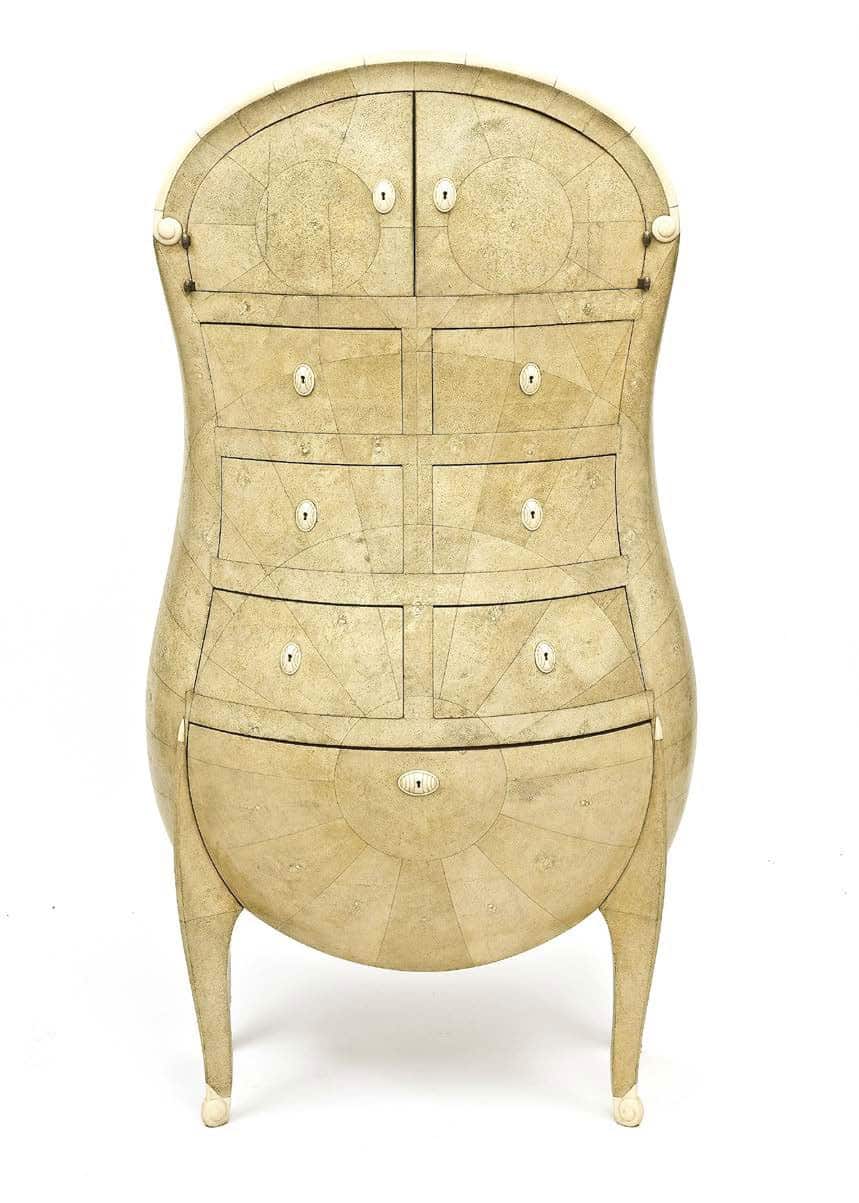
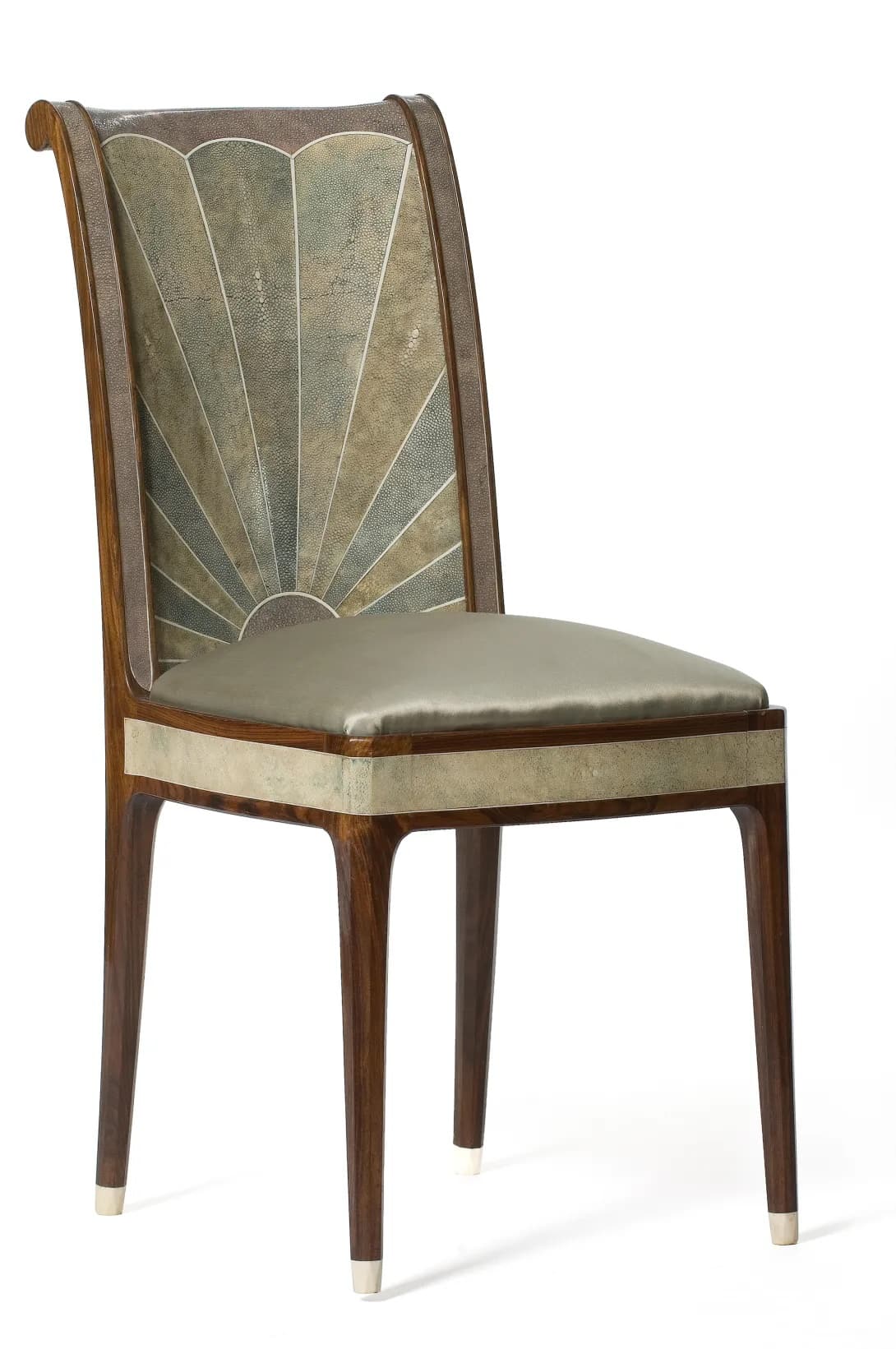
In furniture, galuchat was applied to tabletops, cabinet doors, drawer fronts, and seating. Its durability made it well suited to surfaces in regular use, while its texture added depth without the need for ornament. Designers often worked with carefully matched panels, sometimes combined with ivory or bronze details.
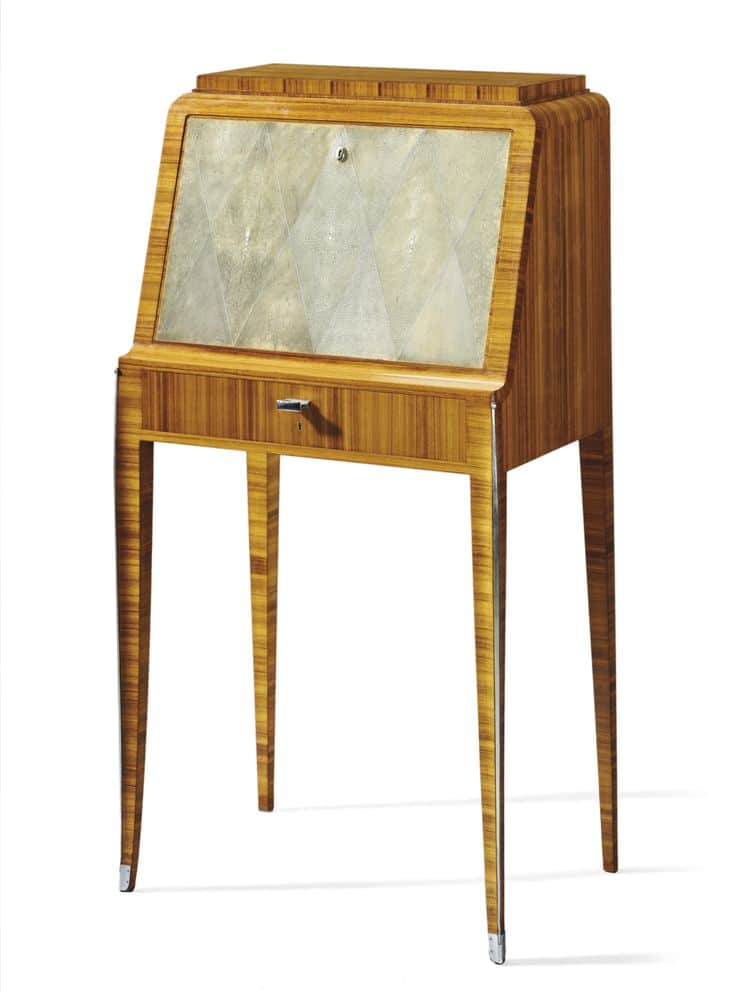
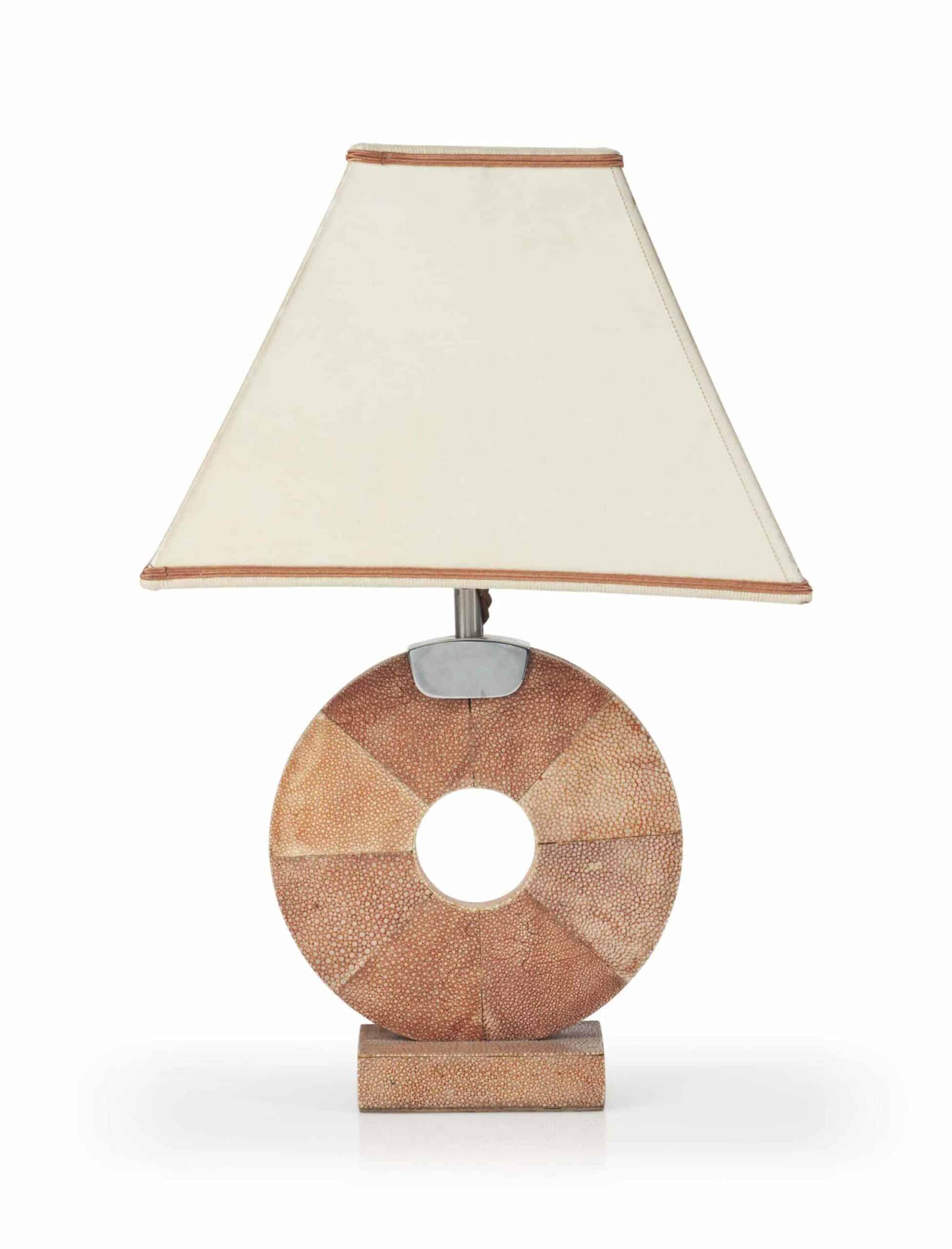
Smaller objects including jewel boxes, cases, lamps, and personal accessories highlighted galuchat’s versatility. Lamps, in particular, benefited from the material’s interaction with light, which softened its appearance and emphasized its surface.
Why Galuchat Defined the Art Deco Spirit
Several factors made galuchat uniquely suited to Art Deco. Its exotic origins reflected the period’s fascination with distant cultures and rare materials. Its beauty lay not in ornament, but in the inherent quality of the surface itself, which was perfectly aligned with the Art Deco belief that luxury resided in material and craftsmanship rather than excess decoration.
Equally important was its sensory appeal. Galuchat engages the hand as much as the eye: cool to the touch, finely textured, strong yet flexible. This fusion of tactile richness and practical durability embodied the modern ideal of beauty joined with function.
French artisans further expanded its possibilities by developing a wide color palette, allowing galuchat to integrate seamlessly into diverse decorative schemes while retaining its unmistakable character.
A Living Legacy
The techniques refined during the Art Deco period continue to shape galuchat craftsmanship today. Contemporary artisans draw directly from this heritage, preserving traditional methods of tanning, dyeing, and finishing while adapting them to modern applications.
For workshops like AKNAS, working with galuchat continues a long tradition built on knowledge of the material, careful workmanship, and respect for the craft.
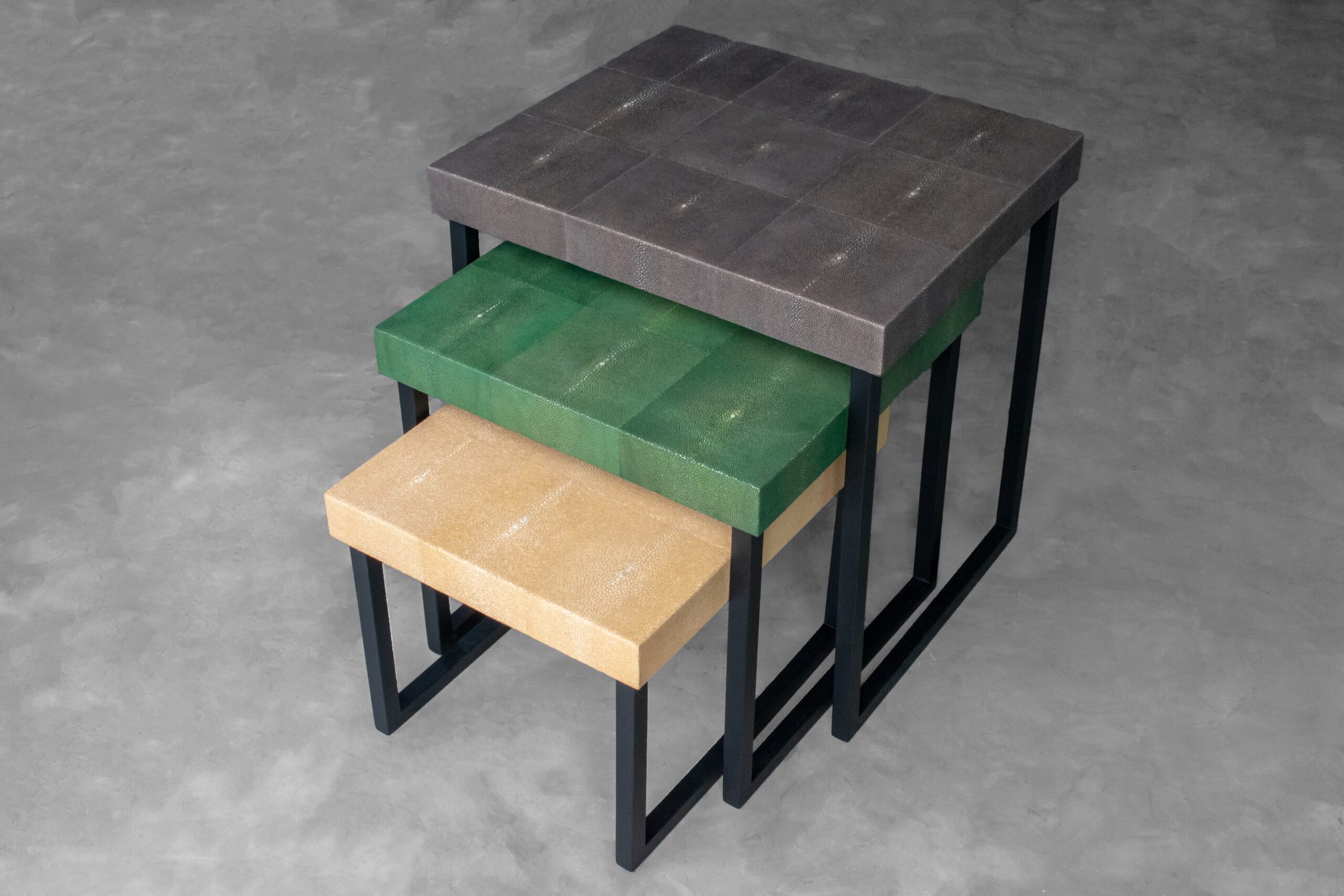
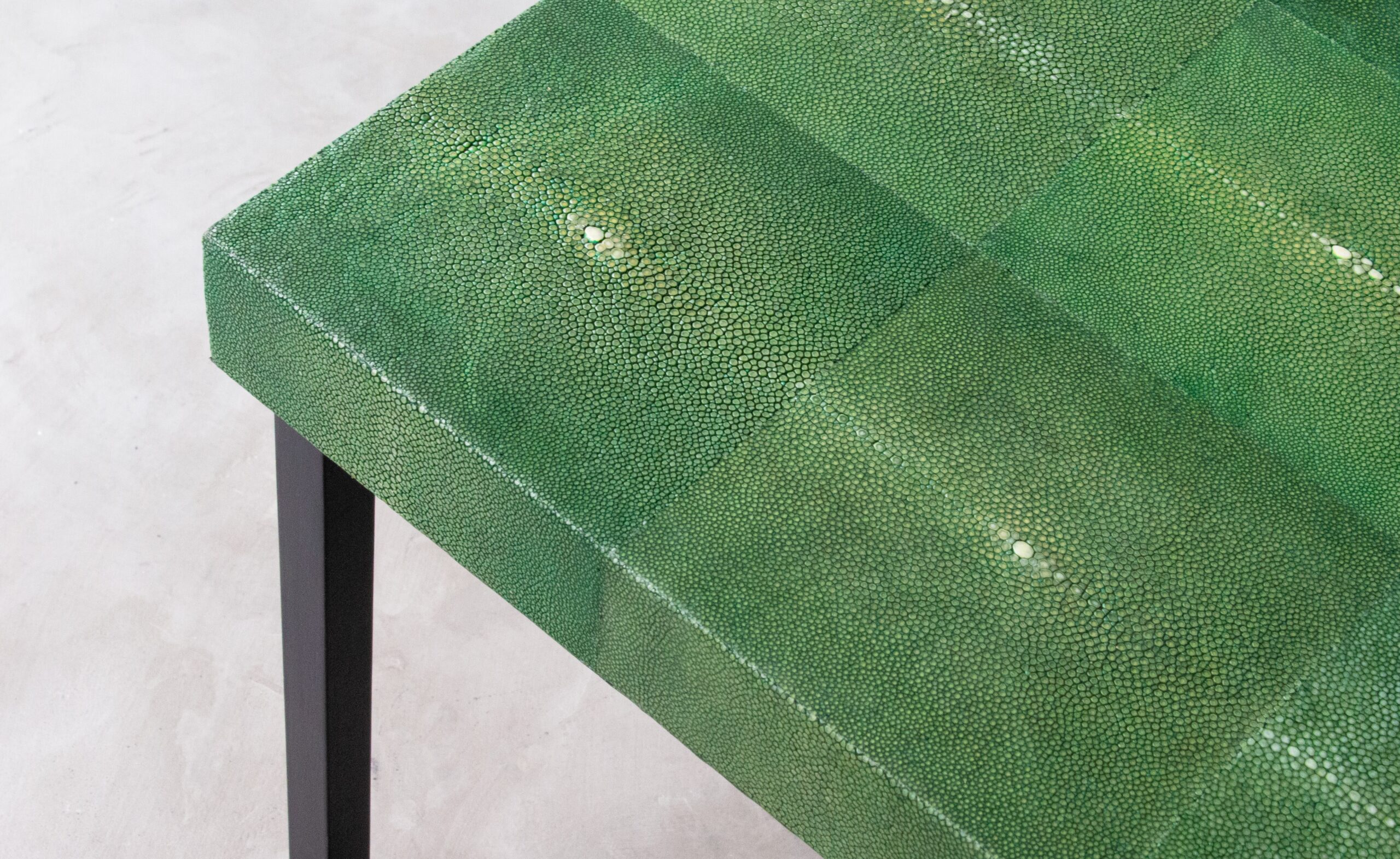
Discover our collection of galuchat maroquinerie and jewelry, crafted with the same dedication to quality and artistry that defined the Art Deco masters.